Your paint may already have something on it—last month's wax, an old spray coating, or a finish you cannot name. The question people type is blunt: can I apply ceramic coating over wax?
This guide is a pre-check, not an application tutorial. It helps you decide whether to spray now or clear the surface first. Product labels and APGO support still win over any generic "yes, stack it" advice.
Why layering is the wrong default
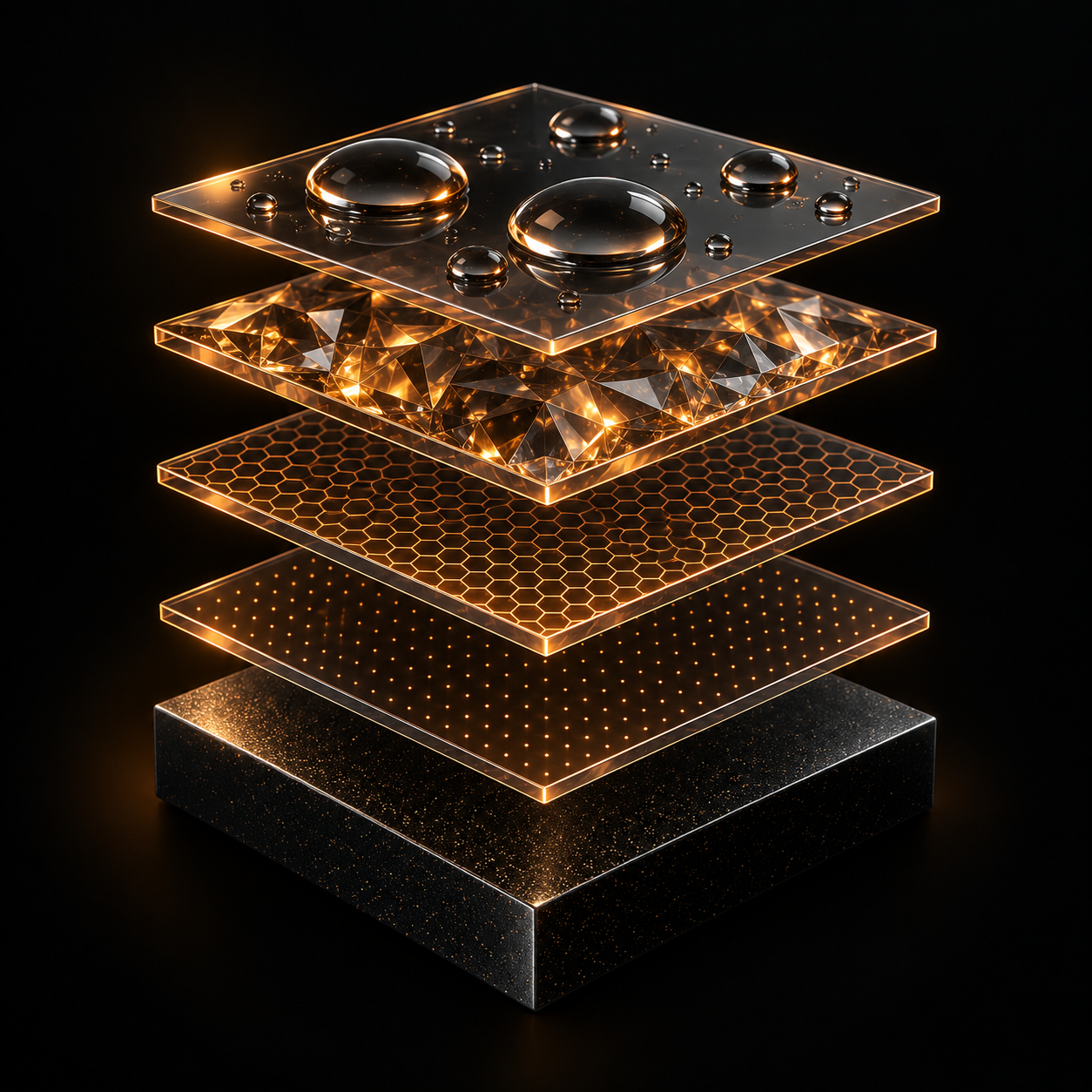
A new spray coating needs a surface it can bond to and perform on. An old wax or leftover coating sits in the way. Drivers who stack products "just to be safe" often get haze, uneven sheen, early peel, or a finish that does not last like the label suggests.
That risk is about what's already on the paint—not about memorizing chemistry. If you cannot identify the old layer, treat stacking as the risky default, not the shortcut.
What's already on the paint?
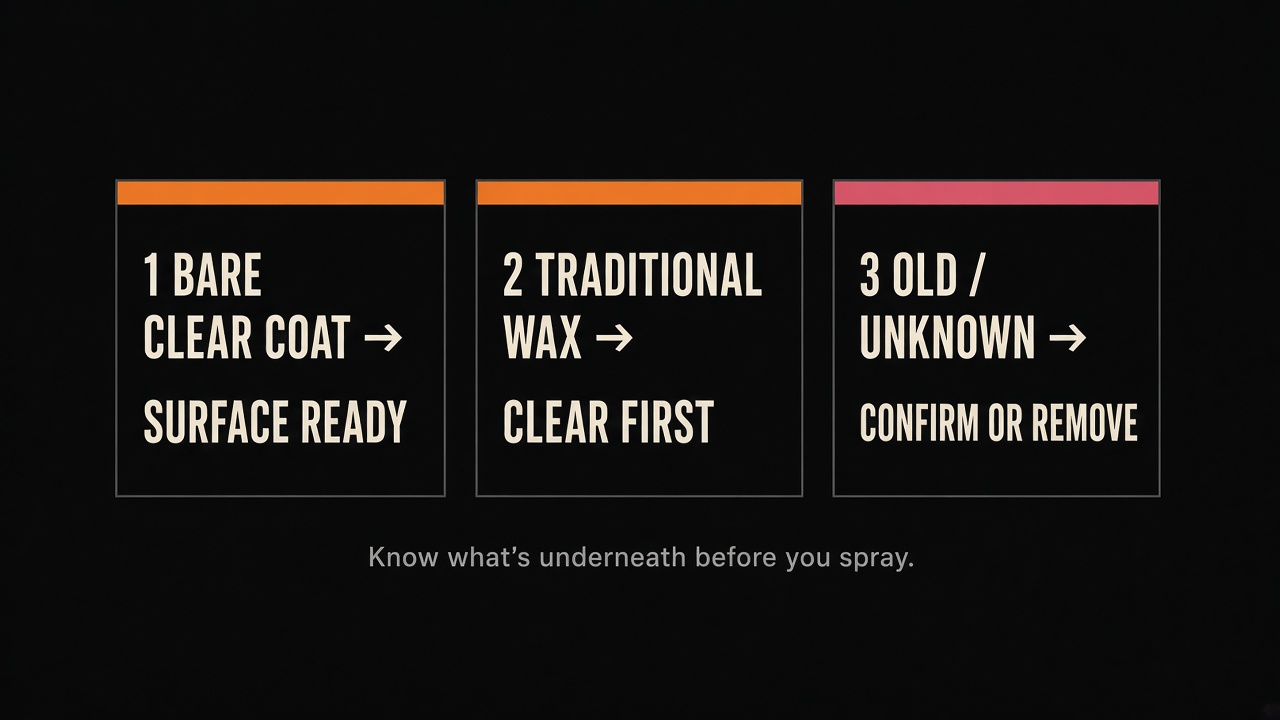
Sort the car into one of three buckets before you pick up a bottle.
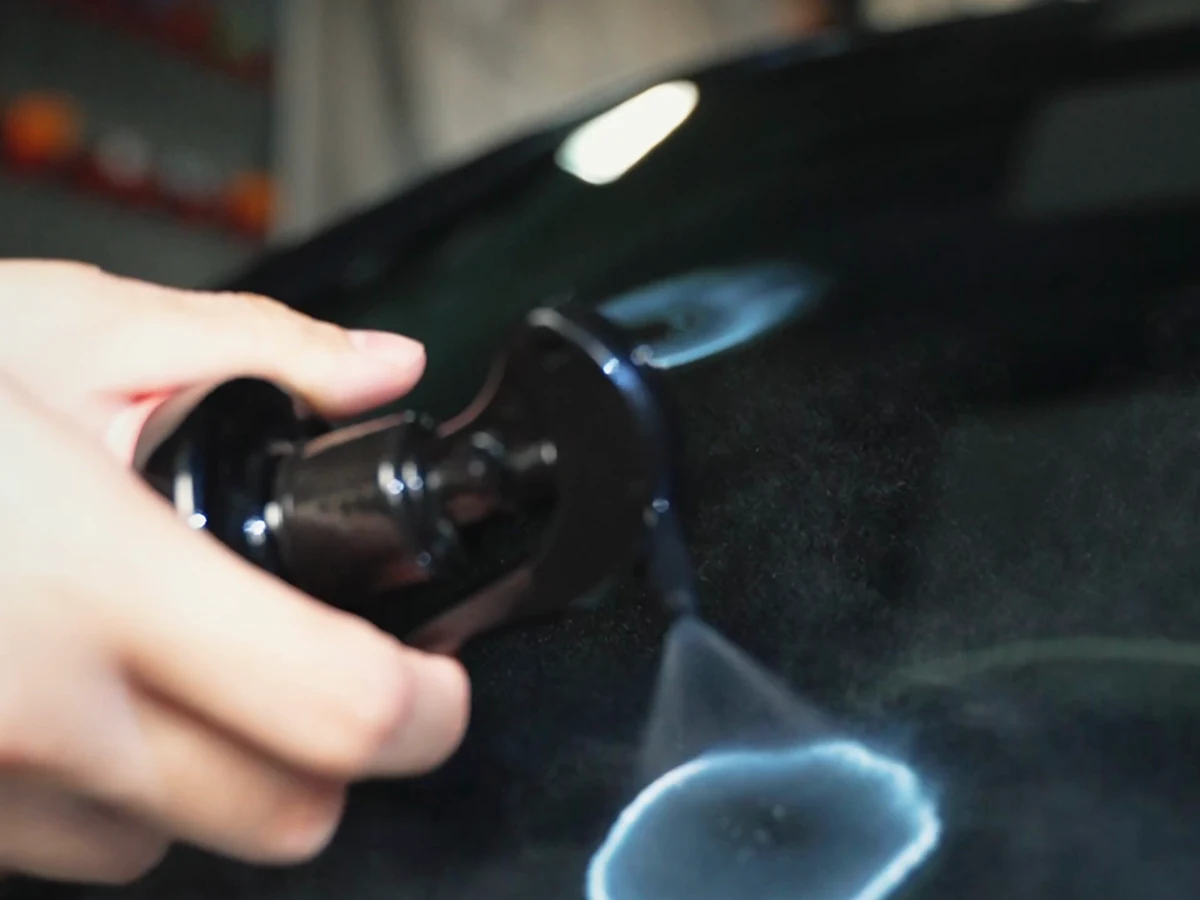
Clean, bare clear coat with no old wax or coating is a different case: that is when a dry-surface spray (for example APGO Atomic Colored Glaze D204) is in scope—still only on surfaces the current label allows.
Decision checklist
Use this before you spray:
- 1Is the paint clean and free of old wax or coating? If yes, a dry spray coating may be appropriate once the panel is fully dry and within label rules.
- 2Is there traditional wax on it? Do not treat "ceramic over wax" as automatic. Remove the wax (or otherwise return the paint to what the new product's label requires) before applying.
- 3Is there an old spray coating or glaze? Same rule: confirm compatibility with the label / APGO support, or remove first. Do not invent a stack.
- 4Is it unknown? Do not spray over a mystery layer. Identify it or clear it; if you are unsure, contact APGO support before applying.
- 5Still unsure after the checklist? Do not layer. Read the current label and ask support—skipping one wash-day is cheaper than correcting a bad stack.
What "remove first" means in practice
Here, "remove first" only means one result: get back to a clean, compatible painted surface that matches what the new product's label expects. It does not mean this article will teach washing, dewaxing, or polishing—those belong in other guides or a separate piece.
If the label says apply on clean, dry automotive paint, treat leftover wax or an unknown coating as unfinished prep, not as a base coat for the new spray.
Where D204 fits
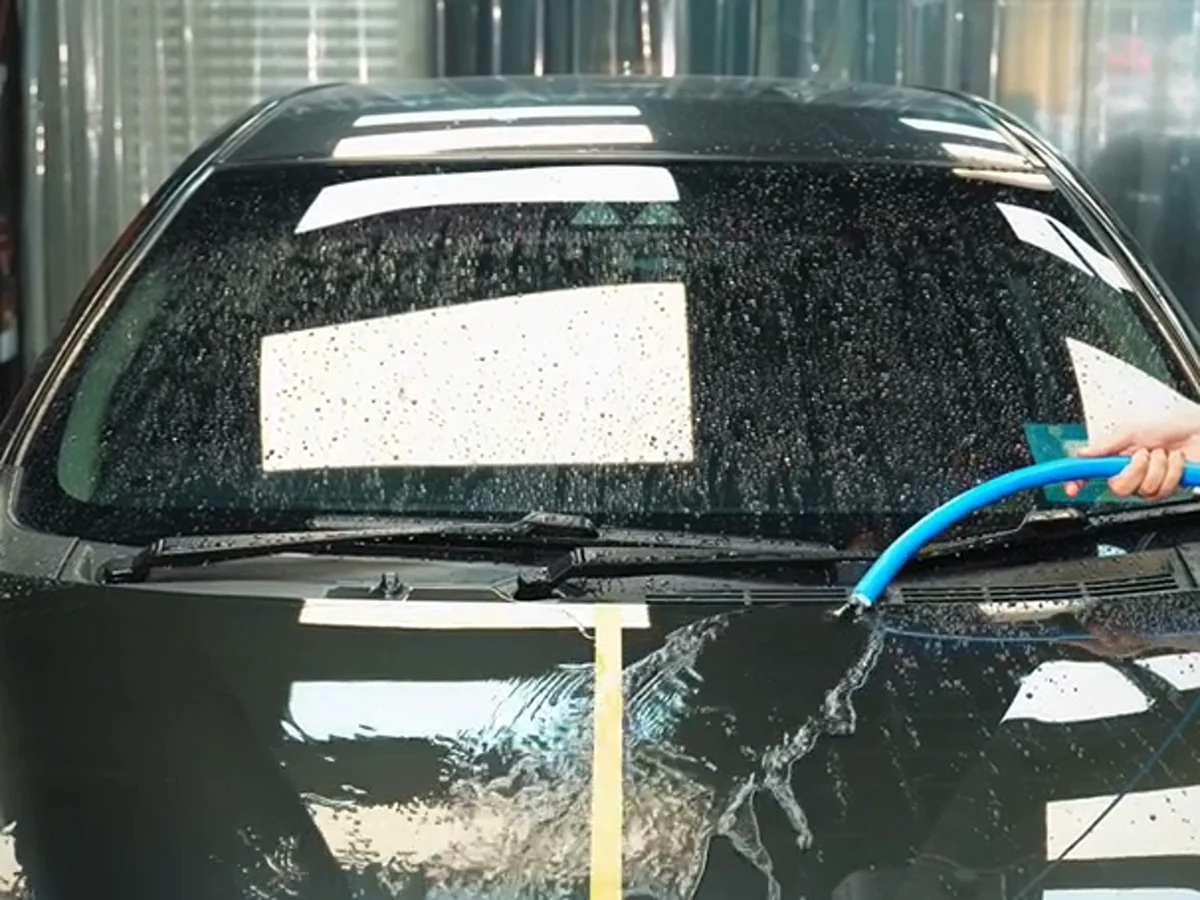
APGO Atomic Colored Glaze (D204) is one example of a dry-surface spray glaze: it belongs on clean paint after drying, when the surface is ready—not as a guaranteed topper over old wax. The U.S. page cites wash resistance up to about 6 months under good conditions; that number does not change the compatibility rule above. How to spray it is covered in the dry-application guide, not here.
DRYHow to apply APGO Atomic Colored GlazeGuide · 6 min readBottom line
The safe answer to can I apply ceramic coating over wax is not a blanket yes. Confirm what is already on the paint. If it is wax, an old coating, or unknown, clear or confirm first; if the paint is clean and dry and the label allows it, then a dry spray coating can be considered. What you save is a failed finish—not a skipped prep step.
This guide is published by APGO. Follow the current directions for the specific product you are using and your vehicle's care requirements.