
You washed the car. The paint looks clean. Now comes the usual fork in the road: spend the afternoon with traditional wax, or finish with a spray ceramic / glaze coating and get on with your day.
This guide compares those two paths on what actually changes your Saturday—time, steps, and how long the finish tends to hold. It is not a product-application tutorial, and it is not a roundup of every paint-protection option on the market.
What you're actually comparing
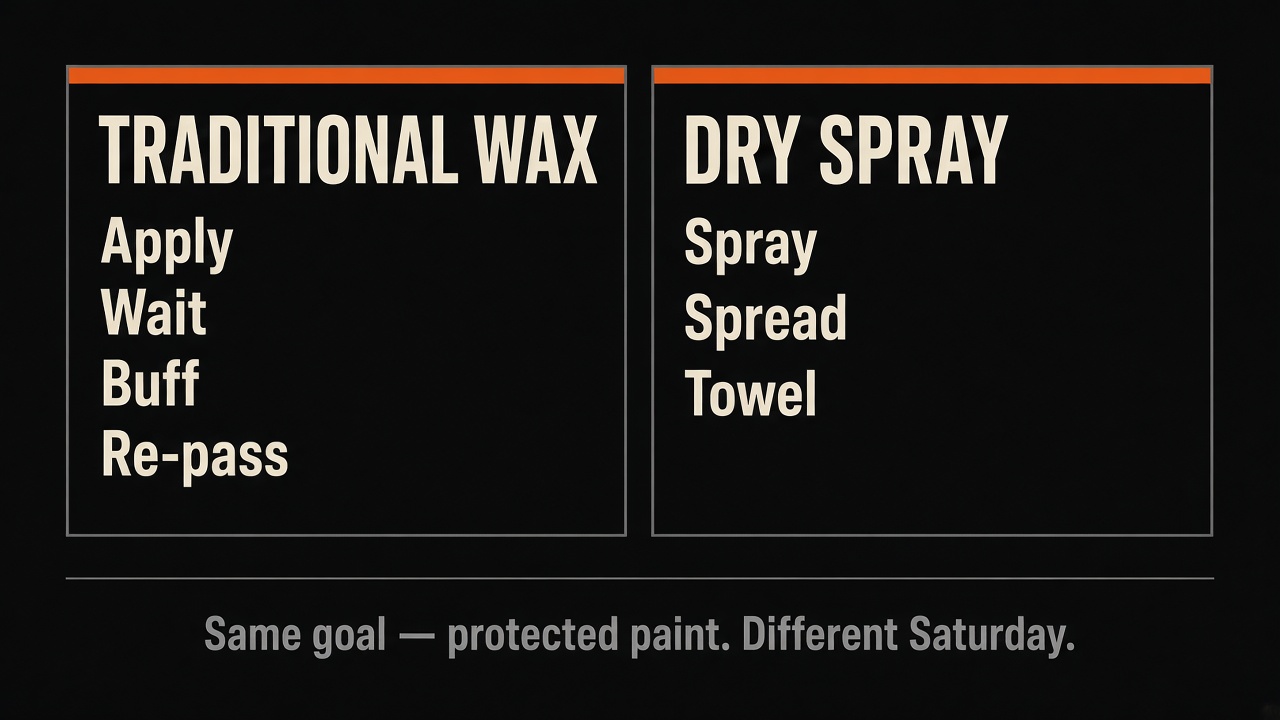
Traditional car wax usually means paste or liquid wax. You work product onto clean, dry paint, wait for it to haze or cure per the label, then buff it off—often panel by panel, sometimes with more than one pass.
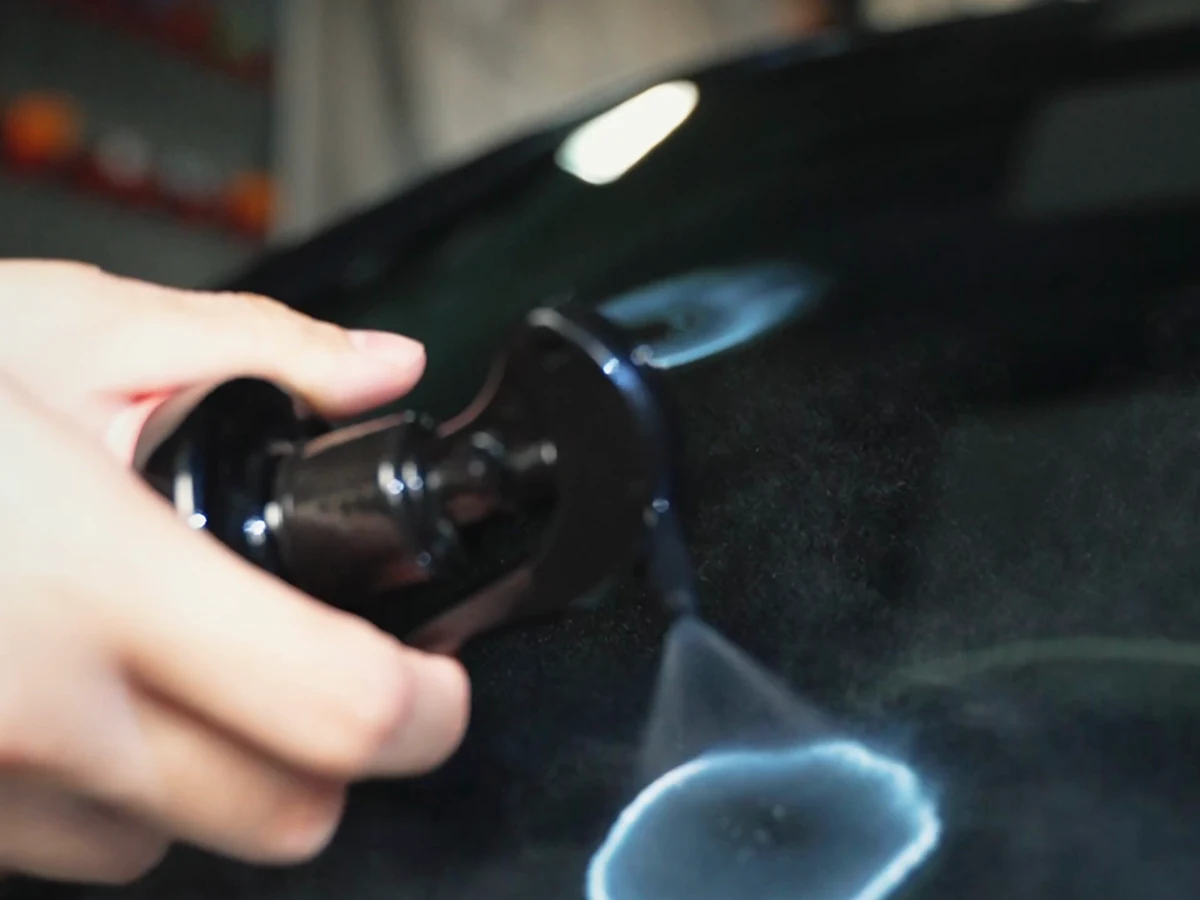
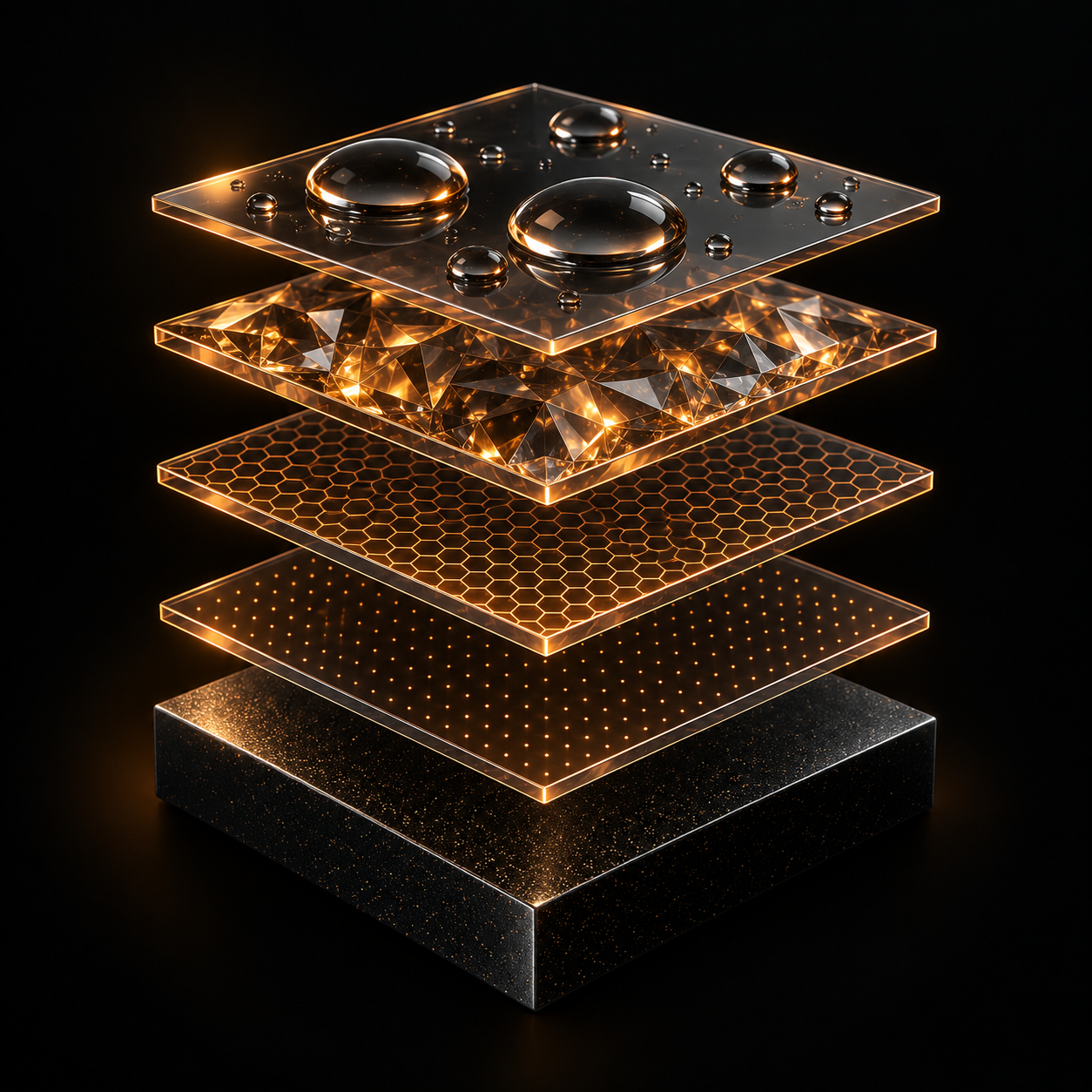
Spray ceramic / glaze coating (in this article, a dry-surface spray finish such as APGO Atomic Colored Glaze D204) is a thin spray you spread and towel-finish on clean, dry paint. The point of the comparison is the workflow and upkeep, not the chemistry jargon on the bottle.
If you came here looking for wet-vs-dry product choice or a how-to for one SKU, that already lives in APGO's other guides. Stay here for wax vs spray coating as finish strategies.
Time and steps
This is where most people feel the difference.
Traditional wax asks for a longer block of uninterrupted time: apply, wait, buff, and often repeat around the car. Miss a window or rush the haze, and you spend more time correcting swirls or leftover residue.
A dry spray coating compresses the same "protect the paint" intent into a shorter cycle: spray a panel, spread, wipe with a clean microfiber, move on. You still need shade, clean paint, and clean towels—but you are not building an afternoon around cure timers.
How long it lasts
Longevity depends on wash habits, climate, and how the paint was prepared. Treat any single number as a ceiling under good conditions, not a guarantee.
For a dry-surface spray glaze like APGO Atomic Colored Glaze (D204), the U.S. product page states wash resistance lasting up to about 6 months. That is the only specific duration we cite here.
Traditional wax is different: many drivers find they need to reapply more often to keep the same look and water behavior. Exact month counts vary widely by wax type and use, so this article does not invent a wax "expires in X months" figure. The practical takeaway is simple—wax usually asks for more frequent touch-ups; a longer-lasting spray coating reduces how often you reopen the project.
What you get after
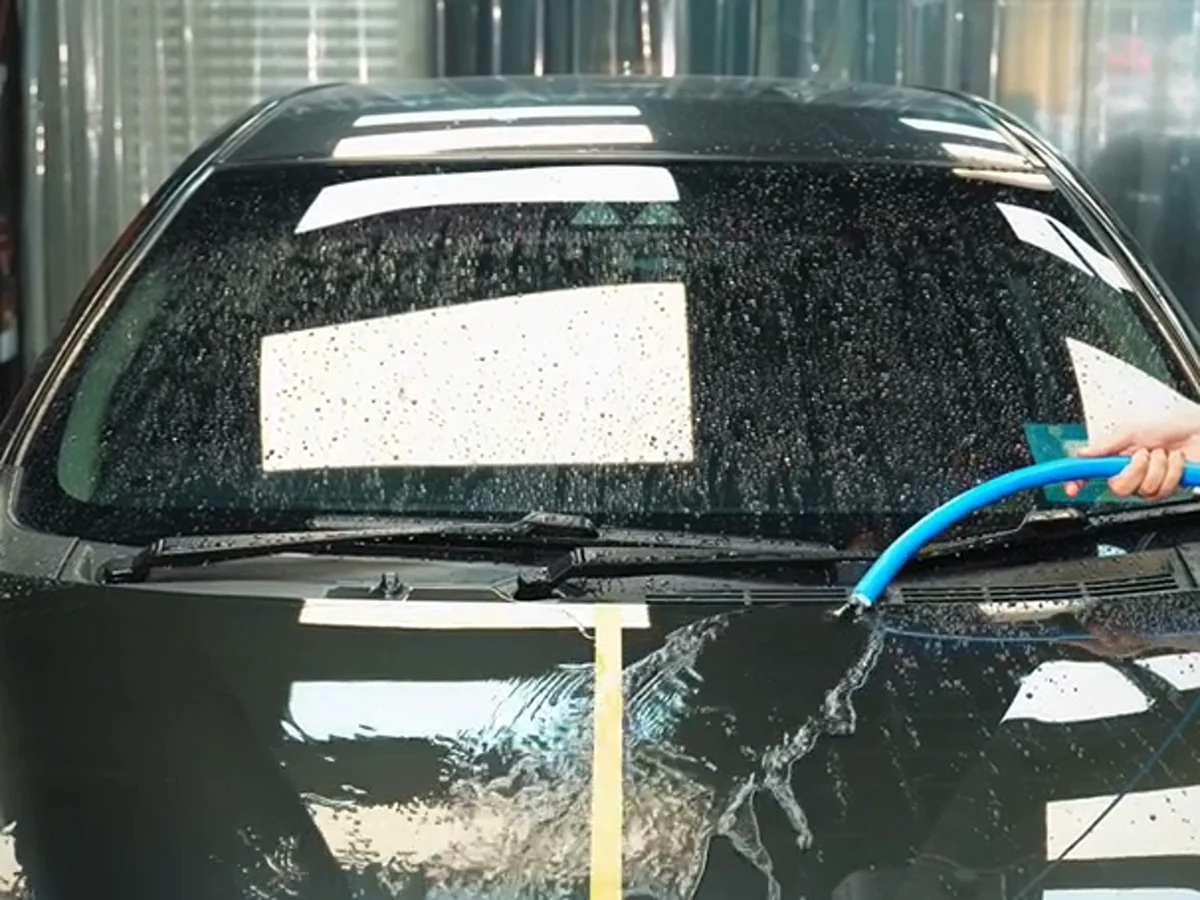
Both approaches can leave paint looking richer and water beading more cleanly than bare clear coat. The everyday difference is less "which one can shine" and more "how often you have to chase that look again."
After wax, you often notice a classic warm glow and water behavior that fades as the wax wears—so the calendar fills with re-wax days. After a durable spray coating, the finish tends to stay "done" longer between maintenance sessions, which is why people shopping car wax vs spray ceramic coating care about upkeep as much as first-day gloss.
Skip the brochure language. Ask yourself: do you want the ritual of waxing, or do you want the wash-and-finish rhythm with fewer return trips?
When wax still wins vs when spray coating wins
Wax still wins when you enjoy detailing as a hobby, you want maximum hands-on control over a paste or liquid product, or you are fine scheduling longer sessions and more frequent reapplication.
Spray coating wins when your constraint is time: you already washed and dried the car, you want protection without a second project, and you'd rather stretch the interval before the next full protection session. A dry spray glaze such as D204 is one example of that path—not the only spray on the market, but a clear instance of "finish after drying" without traditional wax labor.
Neither choice replaces washing, drying, or reading the label for surfaces the product is approved for.
Bottom line
The real gap between traditional car wax and a spray ceramic / glaze coating is rarely a single lab claim. It is whether your finish care eats an afternoon—or fits into the end of a normal wash. If you are weighing car wax vs spray ceramic coating because weekends are short, compare labor and reapply cadence first; the shine usually follows either path when the paint underneath is clean.
This article is published by APGO. General paint-care guidance does not replace your vehicle's care instructions or the directions for a specific product.